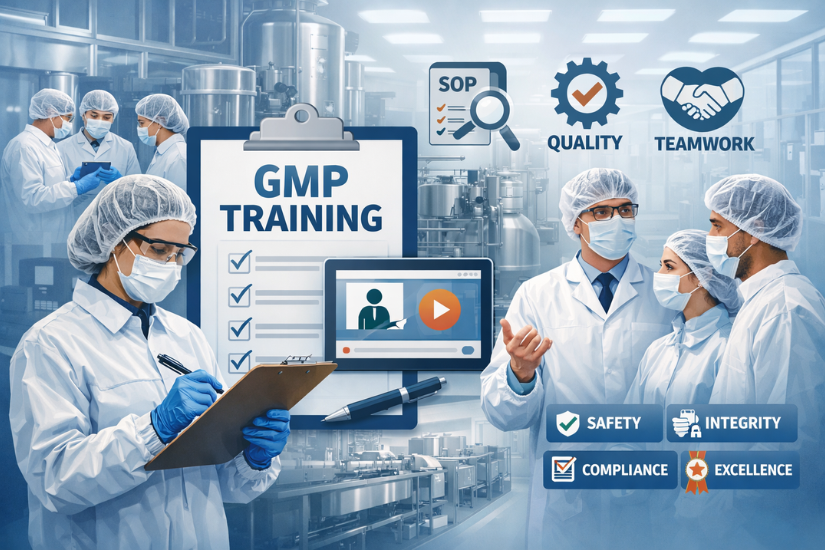
In pharmaceutical manufacturing, compliance with Good Manufacturing Practice (GMP) regulations depends not only on equipment, facilities, and procedures but also on the competence and behavior of the people who operate them. Even the most advanced manufacturing systems can fail if personnel are not adequately trained or do not understand the importance of quality standards.
For this reason, regulatory authorities place significant emphasis on GMP training programs and the development of a strong quality culture within pharmaceutical organizations.
A well-trained workforce that understands GMP principles and embraces quality as a core organizational value is essential for maintaining consistent product quality and regulatory compliance.
Ultra Dynamic Quality Systems (UDQS) supports pharmaceutical and biopharmaceutical organizations across Africa in developing structured GMP training programs and strengthening organizational quality culture aligned with WHO GMP guidelines and international pharmaceutical best practices.
Why GMP Training Is Essential
Pharmaceutical manufacturing processes are highly regulated and often complex. Personnel must understand not only how to perform their tasks but also why specific procedures are necessary to ensure product quality and patient safety.
Without proper training, employees may unintentionally introduce risks such as:
- Documentation errors
- Cross-contamination during production
- Improper equipment operation
- Data integrity issues
- Failure to follow standard operating procedures
Effective GMP training programs help prevent these risks by ensuring that personnel have the knowledge and skills required to perform their responsibilities correctly.
Regulatory Expectations for GMP Training
International regulatory guidelines require pharmaceutical companies to maintain comprehensive training programs for all personnel involved in manufacturing and quality-related activities.
Regulators typically expect organizations to demonstrate that:
- Employees receive GMP training before performing operational tasks
- Training is regularly updated to reflect procedural changes
- Personnel competency is evaluated after training
- Training records are maintained and accessible during inspections
Training systems must be structured and documented to demonstrate compliance with regulatory expectations.
Components of an Effective GMP Training Program
A comprehensive GMP training program typically includes several key elements.
Basic GMP Awareness Training
All employees involved in pharmaceutical operations should receive foundational training in GMP principles.
Basic GMP training typically covers topics such as:
- Good documentation practices
- Contamination control
- Personal hygiene requirements
- Handling of materials and equipment
- Quality management principles
This training helps employees understand the importance of their role in maintaining product quality.
Job-Specific Operational Training
Personnel must also receive training specific to their roles and responsibilities.
Examples include:
- Equipment operation procedures
- Production process controls
- Laboratory testing methods
- Cleaning and sanitation procedures
Job-specific training ensures that personnel can perform their duties competently and consistently.
Data Integrity Training
Modern pharmaceutical operations rely heavily on electronic and paper-based data systems. Personnel must understand the importance of maintaining accurate and reliable data.
Data integrity training often focuses on:
- ALCOA+ principles
- Proper documentation practices
- Prevention of data manipulation
- Use of electronic systems
Strong data integrity awareness helps maintain the reliability of manufacturing and laboratory records.
Ongoing Refresher Training
GMP training is not a one-time event. Employees must receive regular refresher training to maintain awareness of quality standards and regulatory expectations.
Refresher training may include:
- Updates to GMP regulations
- Lessons learned from deviations or inspections
- Introduction of new procedures or equipment
Continuous learning helps maintain a high level of quality awareness across the organization.
Evaluating Training Effectiveness
Providing training alone is not sufficient; organizations must also evaluate whether training programs are effective.
Training effectiveness may be assessed through:
- Written examinations
- Practical competency assessments
- Observations during routine work
- Review of operational performance
These evaluations help ensure that employees understand and apply GMP principles in their daily activities.
Building a Strong Quality Culture
Beyond training programs, pharmaceutical organizations must foster a culture where quality is embedded in every aspect of operations.
Quality culture refers to the shared values, attitudes, and behaviors that prioritize product quality and patient safety.
Characteristics of strong quality cultures include:
- Leadership commitment to quality
- Open communication about quality issues
- Continuous improvement initiatives
- Employee empowerment to report problems
When employees understand that quality is a core organizational value, they are more likely to follow procedures and proactively address potential issues.
Human Error Prevention
Human error is one of the most common causes of deviations and quality failures in pharmaceutical manufacturing.
Organizations can reduce human error by implementing strategies such as:
- Clear and concise procedures
- Visual instructions and labeling
- Standardized workflows
- Cross-checking systems
- Automation of critical processes
Combining these strategies with effective training programs significantly improves operational reliability.
Documentation of Training Activities
Training activities must be documented to demonstrate compliance with GMP requirements.
Typical training documentation includes:
- Training plans and schedules
- Training attendance records
- Competency assessment results
- Training materials and presentations
Regulatory inspectors frequently review training documentation during GMP inspections.
The UDQS Approach to GMP Training
Ultra Dynamic Quality Systems (UDQS) provides expert support to pharmaceutical organizations seeking to strengthen their training programs and quality culture.
Key services include:
- Development of GMP training curricula
- Training workshops for manufacturing and quality personnel
- Data integrity awareness programs
- Human error prevention strategies
- Quality culture development initiatives
By combining regulatory expertise with practical operational knowledge, UDQS helps organizations develop training programs that support sustainable GMP compliance and operational excellence.
Strengthening Pharmaceutical Quality through People
Pharmaceutical manufacturing ultimately depends on the people responsible for operating equipment, following procedures, and maintaining quality systems.
Organizations that invest in effective training programs and cultivate strong quality cultures are better equipped to prevent errors, maintain regulatory compliance, and consistently produce safe and effective medicines.
Strengthen Your GMP Training Programs with UDQS
Ultra Dynamic Quality Systems (UDQS) supports pharmaceutical and biopharmaceutical manufacturers across Africa in developing structured training systems that strengthen workforce competence and quality culture.
Whether preparing for regulatory inspections, introducing new manufacturing technologies, or strengthening quality awareness across the organization, UDQS provides the expertise needed to ensure that personnel are fully equipped to maintain high standards of pharmaceutical manufacturing excellence.