Ensuring the quality and safety of medicines does not end at the manufacturing facility. Once pharmaceutical products leave the production site, they must be transported, stored, and distributed under controlled conditions to ensure that their quality, safety, and efficacy are preserved until they reach patients.
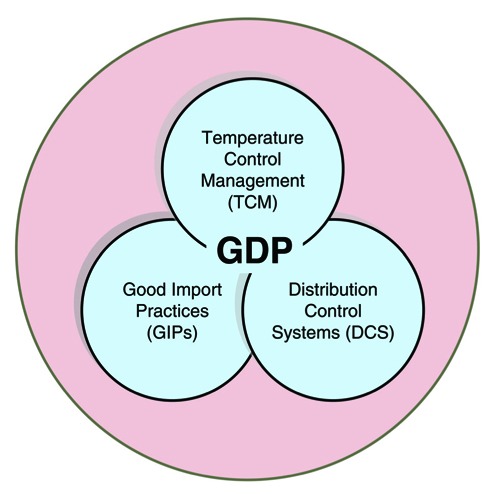
This responsibility is addressed through Good Distribution Practice (GDP). GDP establishes guidelines for the proper handling, storage, transportation, and distribution of pharmaceutical products throughout the supply chain.
Pharmaceutical distributors, wholesalers, logistics providers, and healthcare institutions must all comply with GDP requirements to ensure that medicines remain safe and effective throughout their lifecycle.
Ultra Dynamic Quality Systems (UDQS) supports pharmaceutical organizations, distributors, and healthcare supply chains across Africa in implementing GDP-compliant systems aligned with WHO GDP guidelines and international regulatory expectations.
Why Good Distribution Practice Is Important
Pharmaceutical products are sensitive to environmental conditions such as temperature, humidity, and light. Improper handling during distribution can compromise product stability and reduce therapeutic effectiveness.
Common risks within pharmaceutical supply chains include:
- Exposure to inappropriate temperatures
- Product contamination during transportation
- Theft or diversion of medicines
- Counterfeit medicines entering the supply chain
- Inadequate storage conditions in warehouses
GDP systems ensure that these risks are minimized and that pharmaceutical products maintain their quality until they reach patients.
Key Components of Good Distribution Practice
GDP frameworks establish structured requirements for managing pharmaceutical supply chains.
Quality Management Systems
Organizations involved in pharmaceutical distribution must implement a Quality Management System (QMS) that governs distribution activities.
This system typically includes:
- Standard operating procedures for storage and transportation
- Documentation systems for traceability
- Deviation management procedures
- Corrective and preventive action systems
A structured QMS ensures that distribution activities are consistently controlled and documented.
Warehouse Storage Conditions
Pharmaceutical products must be stored in facilities designed to maintain appropriate environmental conditions.
Key warehouse requirements include:
- Controlled temperature and humidity
- Clean and organized storage areas
- Segregation of products based on storage requirements
- Secure access to prevent unauthorized entry
Proper warehouse design helps prevent product degradation and ensures regulatory compliance.
Temperature-Controlled Storage
Many pharmaceutical products are sensitive to temperature fluctuations.
Temperature-controlled storage may include:
- Ambient storage areas
- Refrigerated storage (typically 2–8°C)
- Frozen storage for specialized products
Temperature monitoring systems must continuously track environmental conditions to ensure that products remain within acceptable ranges.
Transportation and Logistics Control
During transportation, pharmaceutical products must be protected from environmental fluctuations and physical damage.
GDP requirements for transportation include:
- Temperature-controlled transport vehicles
- Validated shipping containers
- Monitoring devices for temperature tracking
- Documentation of transportation conditions
These controls ensure that medicines maintain their quality throughout the distribution process.
Product Traceability
GDP systems require that pharmaceutical products be fully traceable throughout the supply chain.
Traceability ensures that organizations can track:
- Product origin
- Batch numbers
- Distribution routes
- Final delivery destinations
Effective traceability systems enable rapid product recalls if quality issues arise.
Prevention of Counterfeit Medicines
One of the major risks within pharmaceutical supply chains is the infiltration of counterfeit or falsified medicines.
GDP systems include controls to prevent counterfeit products from entering legitimate supply chains, including:
- Supplier qualification programs
- Secure storage and distribution systems
- Product authentication technologies
- Controlled procurement processes
These measures help protect patients from unsafe medicines.
Temperature Mapping and Monitoring
Temperature control is a critical aspect of GDP compliance.
Warehouse facilities and transportation systems must undergo temperature mapping studies to verify that storage conditions remain consistent throughout the facility.
Temperature mapping helps identify:
- Hot and cold spots within storage areas
- Airflow patterns within warehouses
- Temperature stability across different storage zones
Continuous monitoring systems ensure that storage conditions remain within acceptable ranges.
Documentation and Record Keeping
GDP requires detailed documentation to demonstrate that pharmaceutical products have been handled correctly throughout the distribution process.
Typical documentation includes:
- Shipping records
- Temperature monitoring logs
- Warehouse inventory records
- Product recall procedures
- Deviation and CAPA records
Proper documentation ensures traceability and supports regulatory inspections.
Regulatory Oversight of Pharmaceutical Distribution
Regulatory authorities increasingly inspect pharmaceutical distribution systems to ensure compliance with GDP requirements.
Inspections often focus on:
- Warehouse conditions
- Temperature monitoring systems
- Transportation controls
- Product traceability systems
- Handling of returned products
Organizations that maintain strong GDP systems are better prepared to meet regulatory expectations.
The UDQS Approach to GDP Implementation
Ultra Dynamic Quality Systems (UDQS) provides expert support to organizations involved in pharmaceutical distribution and supply chain management.
Key services include:
- GDP gap assessments
- Development of distribution quality management systems
- Warehouse qualification and temperature mapping
- Cold chain monitoring systems
- Supply chain risk assessments
- Inspection readiness preparation
By combining regulatory expertise with practical operational knowledge, UDQS helps organizations establish distribution systems that protect product quality and patient safety.
Strengthening Pharmaceutical Supply Chains
Reliable pharmaceutical distribution systems are essential for ensuring that patients receive safe and effective medicines.
Organizations that implement robust GDP frameworks strengthen their ability to maintain product quality, comply with regulatory requirements, and protect public health.
As pharmaceutical supply chains become increasingly complex, GDP compliance will remain a central pillar of pharmaceutical quality assurance.
Strengthen Your Pharmaceutical Distribution Systems with UDQS
Ultra Dynamic Quality Systems (UDQS) supports pharmaceutical distributors, wholesalers, and healthcare organizations in implementing robust Good Distribution Practice systems.
Whether establishing new distribution networks, upgrading warehouse systems, or preparing for regulatory inspections, UDQS provides the technical expertise needed to ensure secure, compliant, and reliable pharmaceutical supply chains.