GMP EXPERT IN KENYA
Eng. Thilange Acquilino is a Chemical and Process Engineer with over twenty years of experience in Good Manufacturing Practice (GMP) across pharmaceutical, biopharmaceutical, and vaccine manufacturing.



Eng. Thilange Acquilino is a Chemical and Process Engineer with over twenty years of experience in Good Manufacturing Practice (GMP) across pharmaceutical, biopharmaceutical, and vaccine manufacturing.

The Universal Data Quality Score (UDQS) framework offers organisations a structured, risk-based, and compliance-oriented approach to assessing and strengthening data quality across the full data lifecycle.
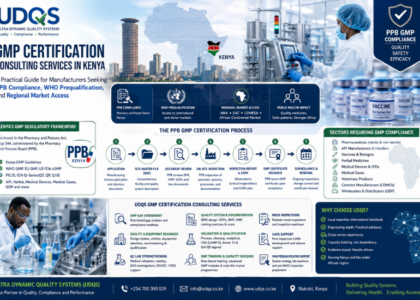
Good Manufacturing Practice (GMP) certification by the Pharmacy and Poisons Board (PPB) is now the price of entry to the Kenyan market and a prerequisite for export, WHO Prequalification, and regional procurement. This article outlines the Kenyan GMP regulatory framework, the certification process, the common compliance challenges faced by local manufacturers, and the consulting services Ultra Dynamic Quality Systems (UDQS) provides to help organisations achieve and sustain GMP certification in Kenya.
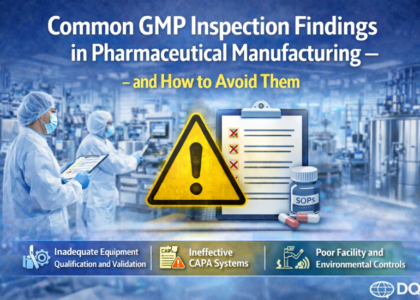
Regulatory inspections are a critical part of pharmaceutical manufacturing oversight. Health authorities conduct these inspections to ensure that medicines are produced consistently according to Good Manufacturing Practice (GMP) standards.
For pharmaceutical manufacturers, inspections can determine whether a facility maintains its license to operate, can export products internationally, or can supply medicines to global procurement programs.

For manufacturers across Africa, achieving and maintaining GMP compliance while navigating evolving international standards can be complex. Regulatory expectations continue to expand, and companies must align with global frameworks while operating within diverse regional regulatory environments.

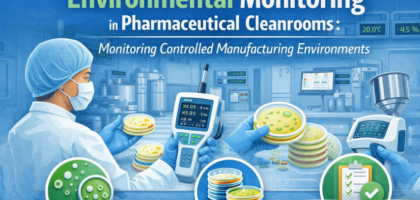
Pharmaceutical manufacturing often requires highly controlled environments to ensure that products are produced safely and without contamination. Cleanrooms and controlled manufacturing areas are designed to minimize the presence of airborne particles, microorganisms, and other contaminants that could compromise product quality.
To ensure that these environments remain within acceptable limits

Even the most advanced manufacturing systems can fail if personnel are not adequately trained or do not understand the importance of quality standards.
For this reason, regulatory authorities place significant emphasis on GMP training programs and the development of a strong quality culture within pharmaceutical organizations.

Pharmaceutical distributors, wholesalers, logistics providers, and healthcare institutions must all comply with GDP requirements to ensure that medicines remain safe and effective throughout their lifecycle.

For many manufacturers across Africa, preparing for such inspections can be challenging. However, with the right systems and preparation strategy, inspections can become an opportunity to demonstrate operational excellence rather than a stressful event.

Ultra Dynamic Quality Systems (UDQS) supports pharmaceutical and biopharmaceutical organizations across Africa in implementing structured risk management frameworks that strengthen GMP compliance and operational reliability.