Pharmaceutical products must remain safe, effective, and stable throughout their intended shelf life. Over time, medicines may undergo chemical degradation, microbial contamination, or physical changes that can affect their quality and therapeutic effectiveness
To ensure that pharmaceutical products maintain their quality during storage and distribution, manufacturers conduct stability studies. Stability studies evaluate how a pharmaceutical product changes over time when exposed to various environmental conditions such as temperature, humidity, and light.
These studies help determine a product’s shelf life, appropriate storage conditions, and packaging requirements.
Ultra Dynamic Quality Systems (UDQS) supports pharmaceutical manufacturers across Africa in designing and implementing stability study programs aligned with ICH stability guidelines, WHO regulatory requirements, and international GMP standards.
Why Stability Studies Are Important
Stability studies provide scientific evidence that pharmaceutical products maintain their quality throughout their shelf life.
These studies help determine:
- The expiration date of a product
- Recommended storage conditions
- Packaging suitability
- Product degradation patterns
- Long-term product stability
Without adequate stability data, regulatory authorities cannot approve pharmaceutical products for market distribution.
Regulatory Guidelines for Stability Studies
Stability studies must follow internationally recognized regulatory guidelines.
The most widely used framework is ICH Q1A (Stability Testing of New Drug Substances and Products).
Other related guidelines include:
- WHO stability testing guidelines
- Regional regulatory authority requirements
- Pharmacopeial stability testing standards
These guidelines define how stability studies should be designed, conducted, and documented.
Types of Stability Studies
Pharmaceutical stability programs typically include several types of stability studies.
- Long-Term Stability Studies
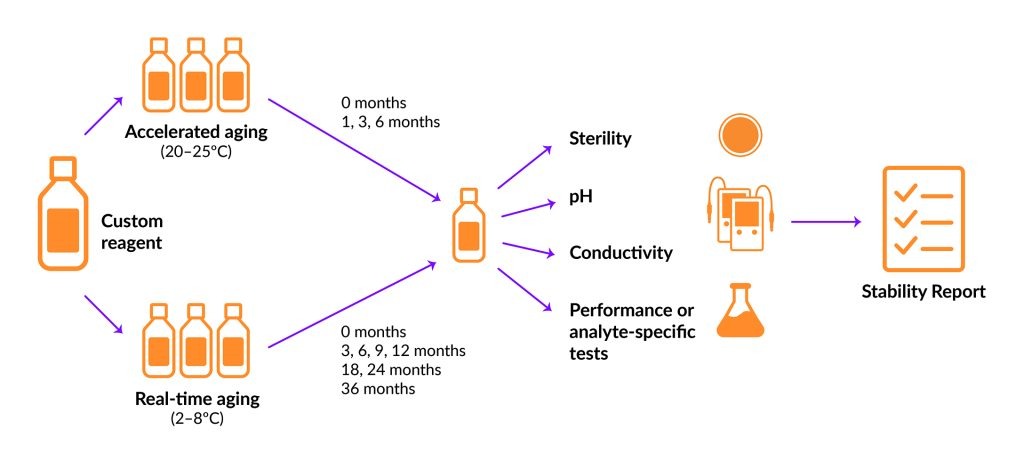
Long-term studies evaluate product stability under normal storage conditions.
These studies are conducted over extended periods, typically ranging from 12 to 36 months, depending on regulatory requirements.
Long-term studies provide the primary data used to establish product shelf life.
- Accelerated Stability Studies
Accelerated studies expose pharmaceutical products to elevated temperatures and humidity levels to speed up degradation processes.
These studies help predict how products will behave over time and may support provisional shelf-life claims.
Accelerated conditions typically include:
- Elevated temperature environments
- Increased humidity levels
Accelerated studies are particularly useful during product development.
- Intermediate Stability Studies
Intermediate studies may be conducted when accelerated stability results indicate potential instability.
These studies provide additional data under conditions between long-term and accelerated environments.
Stability Testing Parameters
During stability studies, pharmaceutical products are tested periodically to evaluate changes in quality attributes.
Typical stability parameters include:
- Assay (active ingredient concentration)
- Degradation products or impurities
- Dissolution performance
- Physical appearance
- Moisture content
- Microbial contamination (where applicable)
These tests help determine whether the product remains within acceptable quality limits.
Stability Study Storage Conditions
Stability chambers are used to simulate different environmental conditions during testing.
Typical stability storage conditions include:
- Long-term conditions: 25°C / 60% relative humidity
- Accelerated conditions: 40°C / 75% relative humidity
Some products may require additional testing under conditions such as:
- Refrigerated storage (2–8°C)
- Freezer conditions
- Photostability testing for light-sensitive products
These conditions simulate real-world storage environments.
Stability Chambers and Environmental Control
Stability chambers are specialized environmental control systems used to maintain stable temperature and humidity conditions.
These chambers must be:
- Qualified and calibrated
- Continuously monitored
- Equipped with alarm systems
- Maintained to ensure stable environmental conditions
Reliable chamber performance ensures accurate stability study results.
Ongoing Stability Programs
Even after a product is approved and released to market, manufacturers must continue monitoring product stability.
Ongoing stability programs evaluate production batches periodically to confirm that the product remains stable throughout its shelf life.
These programs help detect potential stability issues during routine manufacturing.
Stability Data Analysis
Stability data must be carefully analyzed to determine product shelf life.
Statistical methods are often used to evaluate:
- Trends in active ingredient degradation
- Formation of impurities
- Changes in product performance
Shelf life is determined based on the point at which product quality may fall outside acceptable limits.
Common Challenges in Stability Studies
Pharmaceutical manufacturers often encounter challenges when implementing stability study programs.
Common issues include:
- Inadequate stability protocols
- Poor environmental control in stability chambers
- Insufficient sampling schedules
- Incomplete documentation of stability data
Addressing these challenges ensures reliable stability results and regulatory compliance.
The UDQS Approach to Stability Programs
Ultra Dynamic Quality Systems (UDQS) supports pharmaceutical organizations in designing robust stability study programs.
Key services include:
- Stability study protocol development
- Stability chamber qualification and monitoring
- Statistical evaluation of stability data
- Shelf-life determination support
- Stability program compliance assessments
By combining regulatory expertise with scientific knowledge, UDQS helps organizations implement stability programs that meet international regulatory expectations.
Ensuring Product Quality Throughout the Lifecycle
Stability studies provide essential scientific evidence that pharmaceutical products remain safe and effective during storage and distribution.
Organizations that implement structured stability programs strengthen their regulatory compliance and ensure that patients receive medicines of consistent quality.
As pharmaceutical supply chains expand globally, stability studies remain a fundamental component of pharmaceutical product lifecycle management.
Strengthen Your Stability Programs with UDQS
Ultra Dynamic Quality Systems (UDQS) provides expert technical support for pharmaceutical manufacturers implementing stability testing programs.
Whether supporting new product development, regulatory submissions, or ongoing stability monitoring, UDQS helps ensure that stability studies meet international GMP and regulatory requirements.