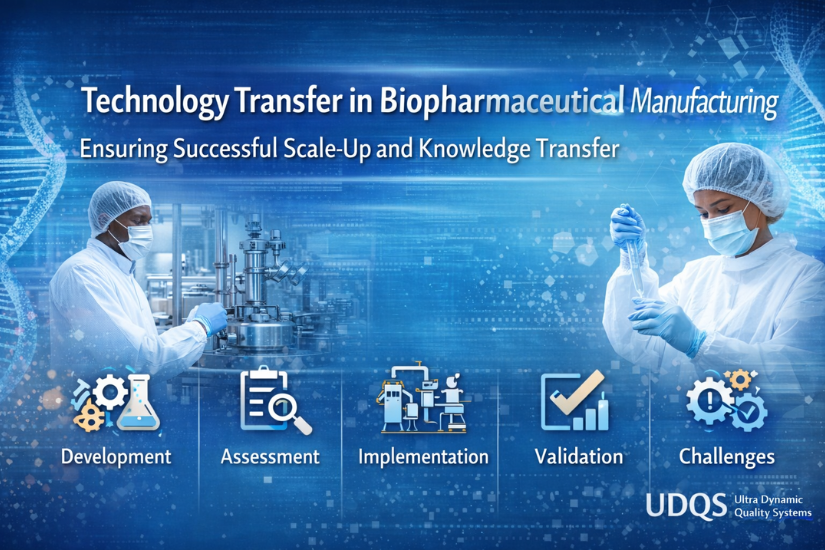
As pharmaceutical and biopharmaceutical manufacturing capacity expands across Africa, technology transfer has become a critical component of industry development. From vaccine manufacturing initiatives to biosimilar production and contract manufacturing partnerships, successful technology transfer enables organizations to adopt advanced manufacturing processes while maintaining regulatory compliance and product quality.
Technology transfer involves the systematic transfer of knowledge, processes, methods, and technologies from a development environment to a manufacturing facility or from one production site to another. When executed effectively, it allows organizations to scale production while maintaining consistency and regulatory control.
Ultra Dynamic Quality Systems (UDQS) supports pharmaceutical and biopharmaceutical manufacturers across Africa in planning and executing structured technology transfer programs aligned with WHO guidelines, ICH Q8–Q10 frameworks, and international GMP standards.
Understanding Technology Transfer
In pharmaceutical manufacturing, technology transfer ensures that the knowledge developed during product research and development can be successfully applied in commercial manufacturing environments.
The transfer process typically includes the movement of critical information such as:
- Manufacturing process parameters
- Analytical methods
- Quality control procedures
- Raw material specifications
- Equipment requirements
- Process validation strategies
Successful technology transfer ensures that the receiving site can reproduce the product with the same quality, safety, and efficacy as the original development facility.
Why Technology Transfer Matters
Technology transfer plays a key role in expanding pharmaceutical production capacity and enabling regional manufacturing.
For African pharmaceutical manufacturers, technology transfer offers several strategic advantages:
- Access to advanced pharmaceutical technologies
- Expansion of local medicine production
- Strengthening of pharmaceutical supply chains
- Reduction of dependence on imported medicines
- Participation in global pharmaceutical partnerships
However, without structured transfer processes, organizations may face significant operational and regulatory risks.
Key Phases of Technology Transfer
Technology transfer is typically conducted through several structured phases designed to ensure successful implementation.
Development and Knowledge Capture
The first phase involves capturing all relevant process knowledge from the originating facility.
This includes:
- Process development data
- Product formulation information
- Critical process parameters
- Analytical methods
- Quality specifications
Proper documentation during this phase ensures that the receiving facility has access to all essential technical information.
Process Evaluation and Risk Assessment
Before implementation, the receiving facility must assess whether its infrastructure, equipment, and personnel capabilities can support the transferred process.
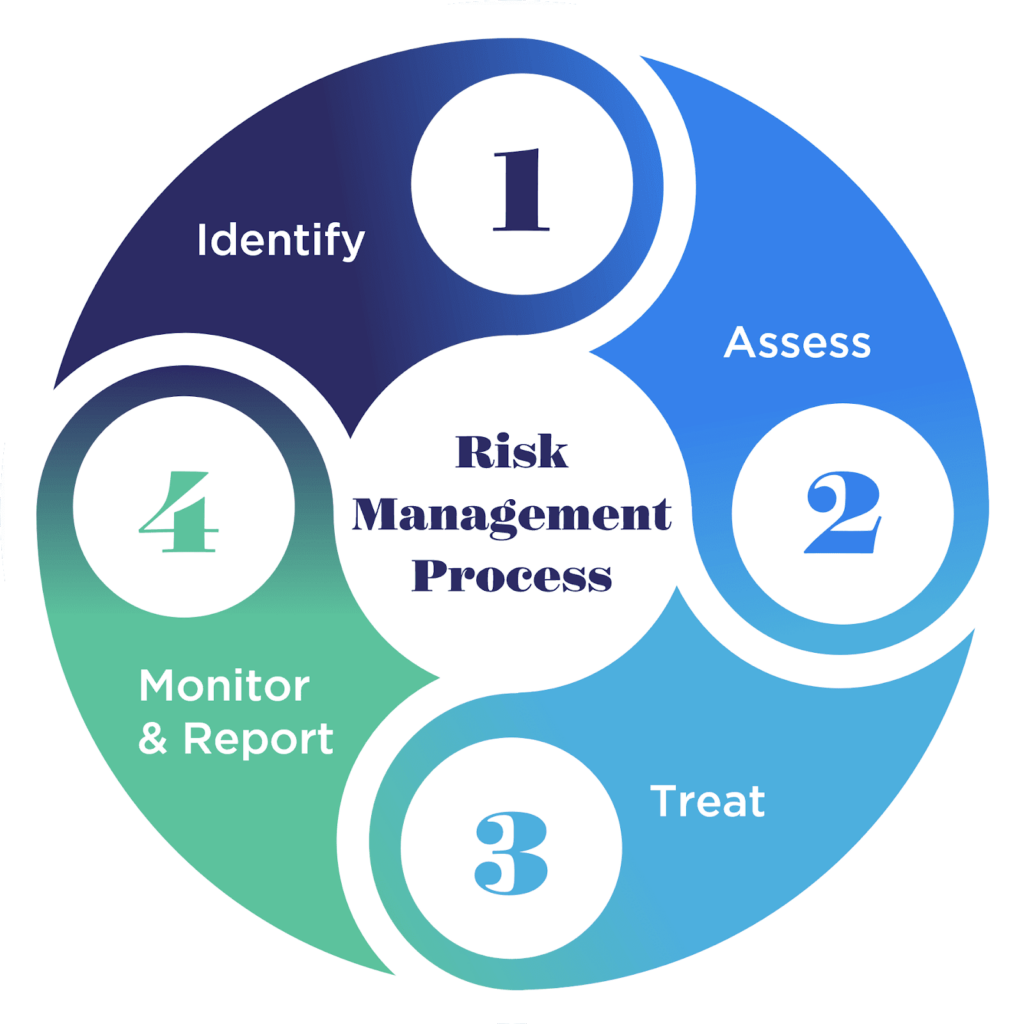
Risk assessments help identify potential challenges such as:
- Differences in equipment configuration
- Environmental variations
- Raw material supply differences
- Operational capability gaps
These assessments help organizations prepare mitigation strategies before manufacturing begins.
Process Implementation
During the implementation phase, the receiving facility begins reproducing the manufacturing process using the transferred knowledge.
Activities during this stage may include:
- Equipment installation and qualification
- Process parameter adjustments
- Analytical method verification
- Staff training programs
Close collaboration between the sending and receiving organizations is essential during this stage.
Process Validation
This typically involves Process Performance Qualification (PPQ) studies, where multiple production batches are manufactured under controlled conditions.
Successful validation confirms that the transferred process can operate reliably in the new manufacturing environment.
Analytical Method Transfer
In addition to manufacturing processes, analytical methods used for product testing must also be transferred.
Analytical method transfer ensures that the receiving laboratory can reproduce the same testing results using its own instruments and personnel.
Key elements of analytical method transfer include:
- Method verification studies
- Instrument suitability assessments
- Analyst training
- Comparative testing between laboratories
Reliable analytical testing is essential for ensuring product quality and regulatory compliance.
Common Technology Transfer Challenges
Despite its importance, technology transfer programs often encounter challenges that can affect manufacturing performance.
Common issues include:
- Incomplete technical documentation
- Differences in equipment or facility design
- Insufficient training of manufacturing staff
- Lack of communication between development and manufacturing teams
- Inadequate validation planning
Addressing these challenges early in the transfer process significantly improves the likelihood of success.
The UDQS Approach to Technology Transfer
Ultra Dynamic Quality Systems (UDQS) supports pharmaceutical and biopharmaceutical manufacturers in designing and executing structured technology transfer programs.
Key services include:
- Technology transfer strategy development
- Process risk assessments aligned with ICH Q9
- Analytical method transfer support
- Validation planning and execution
- Documentation development for regulatory submissions
- Training programs for manufacturing and quality personnel
By combining technical expertise with regulatory experience, UDQS helps organizations ensure that technology transfers are executed efficiently and in full compliance with international GMP expectations.
Supporting the Growth of Biopharmaceutical Manufacturing in Africa
As Africa expands its capacity for vaccine production, biologics manufacturing, and advanced pharmaceutical technologies, technology transfer will play an increasingly central role in industry development.
Well-managed transfer programs enable organizations to adopt advanced manufacturing processes while maintaining the high standards required for pharmaceutical production.
By implementing structured technology transfer frameworks, pharmaceutical manufacturers can strengthen their capabilities and contribute to building a sustainable pharmaceutical manufacturing ecosystem across the continent.
Partner with UDQS for Successful Technology Transfer
Ultra Dynamic Quality Systems (UDQS) provides expert technical support for pharmaceutical and biopharmaceutical organizations implementing technology transfer programs.
Whether supporting vaccine manufacturing initiatives, biosimilar production projects, or pharmaceutical scale-up programs, UDQS helps ensure that technology transfers are scientifically sound, operationally efficient, and fully compliant with international regulatory expectations.