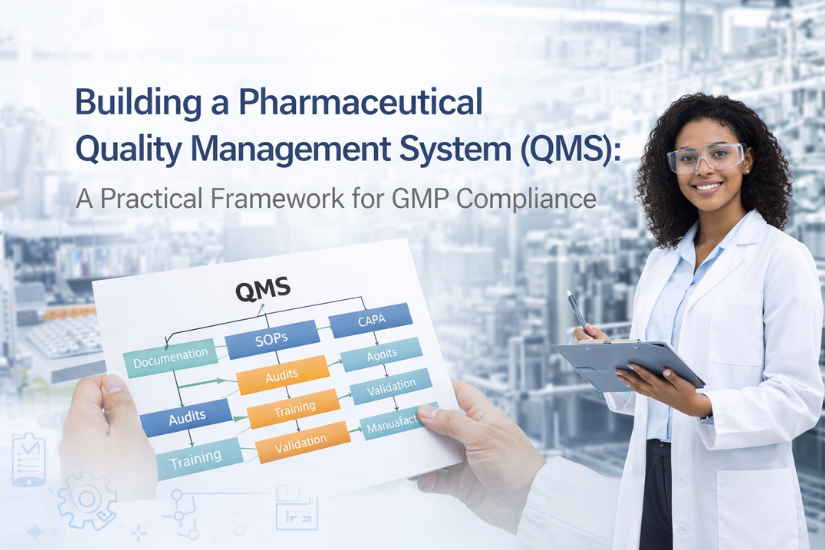
In pharmaceutical manufacturing, quality cannot be inspected into a product at the end of the process—it must be built into every stage of production. This principle forms the foundation of a Pharmaceutical Quality Management System (QMS).
A well-designed QMS ensures that medicines are consistently produced and controlled according to quality standards. It provides the structure through which organizations manage documentation, processes, personnel, and regulatory compliance.
For pharmaceutical manufacturers across Africa seeking to meet international regulatory expectations, establishing a robust QMS is a critical step toward achieving Good Manufacturing Practice (GMP) compliance and regulatory approval.
Ultra Dynamic Quality Systems (UDQS) supports pharmaceutical and biopharmaceutical organizations in designing and implementing quality management systems aligned with WHO GMP guidelines, ICH Q10 Pharmaceutical Quality Systems, and ISO 9001 frameworks.
What Is a Pharmaceutical Quality Management System?
A Pharmaceutical Quality Management System is a structured framework of policies, procedures, and processes designed to ensure that pharmaceutical products consistently meet predefined quality standards.
The QMS provides governance for all activities that impact product quality, including:
- Manufacturing operations
- Quality control testing
- Equipment qualification and validation
- Documentation management
- Training and personnel competency
- Deviation management and CAPA
By establishing clear procedures and responsibilities, the QMS ensures that quality is systematically managed rather than reactively addressed.
Core Elements of a Pharmaceutical QMS
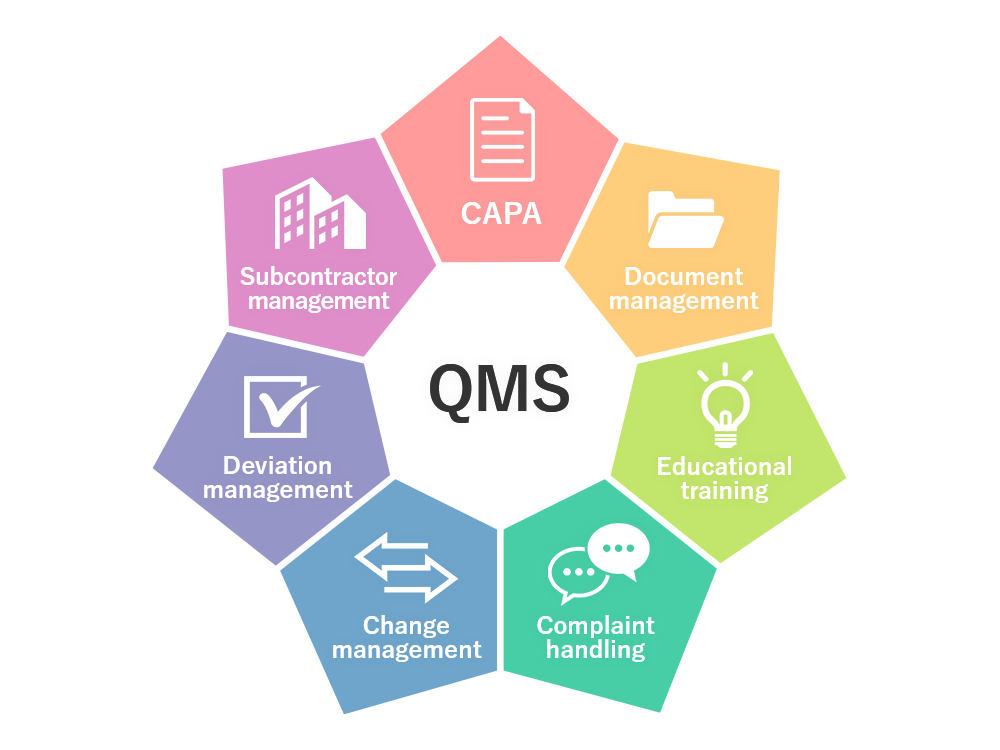
A comprehensive QMS is built around several key components that collectively ensure effective quality oversight.
- Quality Policy and Quality Objectives
The quality policy defines the organization’s commitment to producing safe, effective, and high-quality medicines.
Quality objectives translate this commitment into measurable targets that guide operational performance.
These statements set the strategic direction for quality within the organization.
- Documentation and Document Control
Documentation is one of the most visible aspects of a pharmaceutical quality system.
A structured document hierarchy typically includes:
- Quality Manual
- Standard Operating Procedures (SOPs)
- Work Instructions
- Forms and Records
Document control systems ensure that only approved, current versions of procedures are used in operations.
Proper document management also enables traceability during regulatory inspections.
- Training and Personnel Competence
Personnel play a critical role in maintaining GMP compliance.
A QMS must ensure that all staff receive appropriate training related to:
- GMP principles
- Operational procedures
- Hygiene practices
- Data integrity requirements
Training programs must be documented and periodically assessed to confirm their effectiveness.
- Deviation Management
Despite well-designed processes, deviations from established procedures can occur.
Deviation management systems provide a structured process for:
- Identifying unexpected events
- Investigating root causes
- Implementing corrective actions
- Preventing recurrence
Effective deviation management supports continuous improvement in manufacturing operations.
- Corrective and Preventive Action (CAPA)
CAPA systems are essential for addressing quality issues and strengthening operational controls.
A well-functioning CAPA system involves:
- Root cause analysis
- Implementation of corrective actions
- Preventive measures to eliminate recurring issues
- Monitoring the effectiveness of implemented actions
CAPA programs are a key indicator regulators use to evaluate the maturity of a quality system.
- Change Control
Pharmaceutical manufacturing environments are constantly evolving. Equipment upgrades, process improvements, and procedural updates must be carefully managed.
Change control systems ensure that modifications are:
- Properly evaluated
- Risk-assessed
- Approved before implementation
- Documented and validated where necessary
This process prevents unintended consequences that could affect product quality.
- Internal Audits and Self-Inspection
Internal audits are a critical mechanism for monitoring compliance with GMP requirements.
Self-inspection programs help organizations:
- Identify potential gaps before regulators do
- Evaluate the effectiveness of quality systems
- Promote a culture of continuous improvement
Regular audits ensure that the QMS remains active and effective.
- Integrating Risk Management into the QMS
Modern pharmaceutical quality systems incorporate risk-based decision making, guided by principles outlined in ICH Q9 – Quality Risk Management.
Risk management tools such as Failure Mode and Effects Analysis (FMEA) and risk ranking systems help organizations prioritize resources and focus on the most critical quality risks.
By integrating risk management into daily operations, organizations strengthen their ability to prevent quality failures.
Benefits of a Strong Pharmaceutical QMS
Organizations that invest in robust quality systems experience several operational and regulatory advantages.
These include:
- Improved regulatory compliance
- Reduced operational errors
- Greater process consistency
- Stronger data integrity
- Enhanced inspection readiness
A mature QMS transforms quality from a compliance obligation into a strategic operational advantage.
The UDQS Approach to QMS Implementation
Ultra Dynamic Quality Systems (UDQS) supports pharmaceutical organizations in building and strengthening their quality management systems through practical and structured methodologies.
Key services include:
- Quality Management System design and implementation
- Development of Quality Manuals and SOP structures
- CAPA and deviation system implementation
- Risk management framework development
- Internal audit program design
- Inspection readiness preparation
By aligning quality systems with international regulatory expectations, UDQS helps organizations achieve sustainable GMP compliance and operational excellence.
Quality Systems as the Foundation of Pharmaceutical Excellence
In the pharmaceutical industry, the strength of an organization’s quality system ultimately determines its ability to deliver safe and effective medicines.
Companies that build strong QMS frameworks position themselves not only for regulatory approval but also for long-term success in increasingly competitive pharmaceutical markets.
For pharmaceutical manufacturers across Africa, establishing a structured quality management system is a crucial step toward becoming trusted participants in the global healthcare supply chain.
Strengthen Your Quality Systems with UDQS
Ultra Dynamic Quality Systems (UDQS) provides expert support to pharmaceutical and biopharmaceutical organizations seeking to design, implement, and maintain world-class Quality Management Systems.
Whether your organization is developing new manufacturing capabilities, upgrading existing quality systems, or preparing for regulatory inspections, UDQS can help ensure your operations meet international GMP expectations.