The rapid expansion of biopharmaceutical manufacturing—including vaccines, monoclonal antibodies, cell therapies, and recombinant biologics—has increased the importance of biosafety and biosecurity systems in pharmaceutical production facilities.
Unlike conventional pharmaceutical manufacturing, biopharmaceutical production often involves the handling of living cells, microorganisms, viral vectors, and biological materials that require strict containment and control measures.
To protect personnel, the environment, and product quality, biopharmaceutical facilities must implement comprehensive biosafety and biosecurity frameworks aligned with international regulatory guidelines.
Ultra Dynamic Quality Systems (UDQS) supports biotechnology and pharmaceutical organizations across Africa in designing and implementing biosafety systems aligned with WHO biosafety guidelines, GMP regulations, and international laboratory safety standards.
Understanding Biosafety in Biopharmaceutical Manufacturing
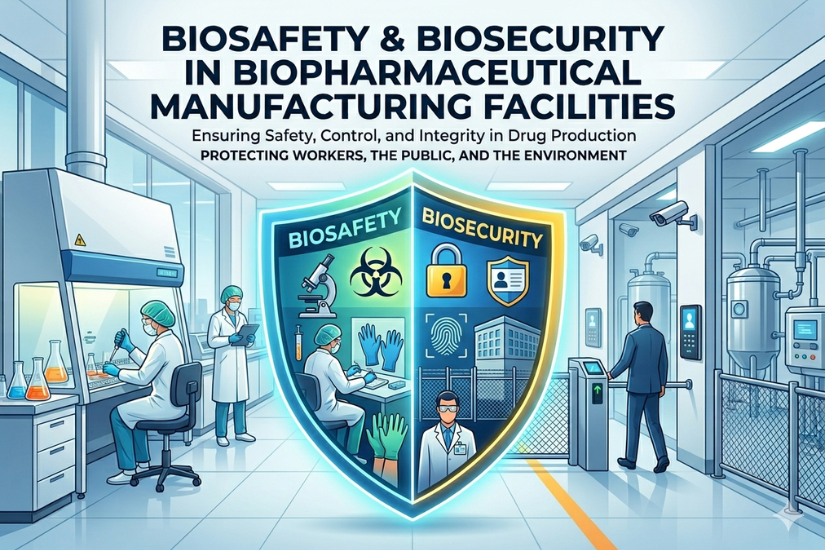
Biosafety refers to the containment principles, technologies, and practices used to prevent accidental exposure to biological agents and to protect the environment from biological hazards.
In biopharmaceutical manufacturing, biosafety measures are designed to ensure that:
- Biological materials are handled safely
- Personnel are protected from exposure
- Environmental contamination is prevented
- Product integrity is maintained
Effective biosafety programs are essential for facilities handling biological materials such as bacteria, viruses, cell cultures, and recombinant proteins.
Understanding Biosecurity
While biosafety focuses on preventing accidental exposure, biosecurity addresses the prevention of unauthorized access, misuse, or intentional release of biological materials.
Biosecurity systems protect biological materials from:
- Theft
- Unauthorized access
- Misuse of pathogens
- Bioterrorism risks
Biopharmaceutical facilities must maintain strict control over biological materials to ensure that they are only accessed by authorized personnel.
Biosafety Levels (BSL) in Biological Facilities
Biological laboratories and manufacturing environments are classified into different Biosafety Levels (BSL) depending on the risk associated with the biological agents being handled.
Biosafety Level 1 (BSL-1)
BSL-1 facilities handle biological agents that pose minimal risk to humans and the environment.
Basic laboratory practices and standard microbiological procedures are typically sufficient for these environments.
Biosafety Level 2 (BSL-2)
BSL-2 laboratories handle biological agents that may cause mild disease but are not considered severe hazards.
Facilities require additional safety measures such as:
- Controlled laboratory access
- Biosafety cabinets
- Personnel protective equipment (PPE)
Biosafety Level 3 (BSL-3)
BSL-3 laboratories handle pathogens that may cause serious or potentially lethal diseases through airborne transmission.
These facilities require enhanced containment systems including:
- Specialized ventilation systems
- Controlled access zones
- Strict laboratory protocols
Biosafety Level 4 (BSL-4)
BSL-4 laboratories are used for handling highly dangerous pathogens with no available treatments or vaccines.
These facilities include the highest levels of containment and security.
While BSL-4 facilities are rare, they represent the highest level of biological containment.
Containment Systems in Biopharmaceutical Manufacturing
Biopharmaceutical facilities rely on a combination of engineering controls and operational procedures to maintain biosafety.
Key containment systems include:
Biosafety Cabinets
Biosafety cabinets provide controlled environments for handling biological materials while protecting both personnel and product integrity.
Air Handling and HVAC Systems
Specialized ventilation systems help control airflow and prevent biological contamination.
These systems maintain:
- Negative pressure environments
- HEPA filtration of exhaust air
- Controlled air exchange rates
Closed Bioprocessing Systems
Many modern biopharmaceutical facilities use closed systems to minimize exposure to biological materials.
Closed bioreactor systems reduce contamination risks while improving process control.
Personnel Safety and Training
Personnel working in biopharmaceutical facilities must receive specialized training in biosafety practices.
Training programs typically cover:
- Safe handling of biological materials
- Use of personal protective equipment
- Emergency response procedures
- Waste management protocols
Proper training ensures that personnel understand how to safely operate within controlled biological environments.
Waste Management in Biological Facilities
Biopharmaceutical manufacturing generates biological waste that must be handled carefully to prevent environmental contamination.
Waste management systems may include:
- Autoclave sterilization
- Chemical disinfection
- Controlled disposal procedures
Proper waste management protects both the environment and public health.
Biosecurity Measures in Biopharmaceutical Facilities
Biosecurity systems ensure that biological materials are protected against unauthorized access or misuse.
Typical biosecurity measures include:
- Controlled facility access systems
- Personnel authorization procedures
- Inventory tracking for biological materials
- Surveillance and monitoring systems
These measures ensure that biological agents remain secure within controlled environments.
Regulatory Expectations for Biosafety
Regulatory authorities expect biopharmaceutical manufacturers to demonstrate that biosafety risks are properly controlled.
Regulatory oversight may include review of:
- Biosafety protocols
- Facility containment systems
- Personnel training records
- Biological waste management procedures
- Incident response plans
Organizations that maintain strong biosafety systems are better prepared for regulatory inspections.
The UDQS Approach to Biosafety Implementation
Ultra Dynamic Quality Systems (UDQS) provides specialized expertise in biosafety program development for biopharmaceutical and biotechnology organizations.
Key services include:
- Biosafety risk assessments
- Facility biosafety design reviews
- Containment system evaluations
- Biosafety training programs
- Integration of biosafety controls with GMP quality systems
By combining regulatory expertise with engineering knowledge, UDQS helps organizations implement biosafety systems that protect personnel, products, and the environment.
Supporting the Growth of Biopharmaceutical Manufacturing
As Africa expands its capacity in biotechnology and vaccine manufacturing, biosafety and biosecurity systems will become increasingly important.
Organizations that implement robust biosafety frameworks will be better positioned to support advanced biopharmaceutical production while maintaining regulatory compliance and protecting public health.
Strengthen Your Biosafety Programs with UDQS
Ultra Dynamic Quality Systems (UDQS) supports biotechnology and pharmaceutical organizations across Africa in developing biosafety frameworks aligned with international standards.
Whether designing new biopharmaceutical facilities, strengthening containment systems, or preparing for regulatory inspections, UDQS provides the expertise needed to ensure safe and compliant biological manufacturing operations.