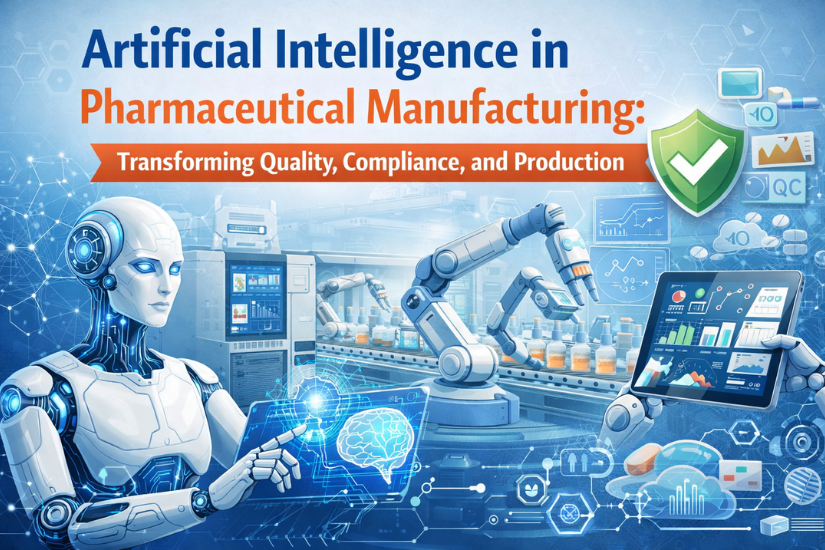
The pharmaceutical industry is entering a new era driven by advances in digital technologies, automation, and data science. Among these developments, Artificial Intelligence (AI) is emerging as one of the most transformative forces shaping the future of pharmaceutical research, manufacturing, and quality management.
Pharmaceutical manufacturing has traditionally relied on highly structured processes, strict regulatory frameworks, and extensive documentation systems to ensure product quality and patient safety. Today, AI technologies are enabling organizations to analyze large volumes of operational data, optimize production processes, and improve decision-making in ways that were previously impossible.
As pharmaceutical manufacturers adopt digital manufacturing systems and data-driven quality frameworks, AI is becoming a powerful tool for improving efficiency, strengthening compliance, and enhancing product quality.
Ultra Dynamic Quality Systems (UDQS) supports pharmaceutical and biopharmaceutical organizations across Africa in navigating emerging technologies such as AI while ensuring that manufacturing operations remain aligned with Good Manufacturing Practice (GMP) and international regulatory expectations.
Understanding Artificial Intelligence in the Pharmaceutical Industry
Artificial Intelligence refers to computer systems that can perform tasks typically requiring human intelligence. These systems analyze large datasets, identify patterns, and generate predictions that help organizations make informed decisions.
AI technologies used in pharmaceutical operations often include:
- Machine learning algorithms
- Predictive analytics models
- Pattern recognition systems
- Intelligent automation platforms
By analyzing complex datasets generated during pharmaceutical operations, AI systems can provide insights that improve manufacturing performance and product quality.
AI in Pharmaceutical Research and Drug Development
One of the earliest applications of artificial intelligence in the pharmaceutical industry has been in drug discovery and research.
AI-powered systems can analyze vast chemical and biological datasets to identify promising drug candidates more quickly than traditional methods.
Applications in research and development include:
- Molecular modeling and drug target identification
- Predictive toxicology analysis
- Optimization of clinical trial design
- Analysis of genomic and biological datasets
By accelerating research processes, AI technologies have the potential to significantly reduce the time required to bring new medicines to market.
AI in Pharmaceutical Manufacturing
AI technologies are also transforming pharmaceutical manufacturing operations by improving process control and operational efficiency.
Process Optimization
Machine learning algorithms can analyze manufacturing data to identify optimal process parameters that improve product quality and reduce variability.
AI systems can monitor production conditions and recommend adjustments to maintain consistent manufacturing performance.
Predictive Maintenance
Manufacturing equipment generates large volumes of operational data. AI-based predictive maintenance systems analyze this data to detect early signs of equipment failure.
This allows manufacturers to perform maintenance before equipment breakdown occurs, reducing production interruptions and improving operational reliability.
Real-Time Process Monitoring
AI systems can continuously analyze manufacturing data in real time to detect deviations from expected process conditions.
Early detection of process variations allows manufacturers to take corrective action before product quality is affected.
AI in Pharmaceutical Quality Systems
Artificial intelligence also offers significant opportunities to strengthen pharmaceutical quality management systems.
Deviation Trend Analysis
AI tools can analyze historical deviation data to identify recurring issues and potential root causes.
These insights help quality teams implement more effective corrective and preventive actions.
CAPA Optimization
Machine learning models can evaluate CAPA data to predict which corrective actions are most likely to prevent future quality failures.
This helps organizations prioritize quality improvement initiatives.
Batch Release Analytics
AI systems can review production data and quality control results to assist quality teams in evaluating batch release decisions.
These tools help identify patterns that may indicate potential product quality risks.
AI in Pharmaceutical Supply Chain Management
AI technologies are also improving pharmaceutical supply chain management by enhancing forecasting and logistics planning.
Applications include:
- Demand forecasting for pharmaceutical products
- Optimization of distribution networks
- Inventory management
- Detection of counterfeit medicines within supply chains
Improved supply chain visibility helps ensure that medicines reach patients safely and efficiently.
Regulatory Considerations for AI Systems
While AI offers many benefits, its use in pharmaceutical manufacturing must comply with regulatory expectations.
Regulatory authorities emphasize that AI systems must:
- Maintain data integrity
- Provide transparent and explainable decision-making processes
- Be validated to demonstrate reliability
- Maintain appropriate audit trails
AI-based systems used in GMP environments must be evaluated within existing regulatory frameworks such as:
- EU GMP Annex 11 – Computerised Systems
- FDA 21 CFR Part 11 – Electronic Records and Electronic Signatures
- WHO guidance on computerized systems
Organizations must ensure that AI technologies support, rather than compromise, regulatory compliance.
Challenges in Implementing Artificial Intelligence
Despite its potential, implementing AI in pharmaceutical manufacturing can present several challenges.
Common challenges include:
- Availability of high-quality data for training AI models
- Integration with existing manufacturing systems
- Regulatory uncertainty regarding AI validation
- Data security and cybersecurity concerns
Successful implementation requires careful planning and strong collaboration between quality, engineering, and information technology teams.
The Future of AI in Pharmaceutical Manufacturing
As digital technologies continue to evolve, artificial intelligence is expected to play an increasingly important role in pharmaceutical manufacturing.
Future developments may include:
- Autonomous manufacturing systems
- AI-driven process control systems
- Digital twin models that simulate manufacturing processes
- Advanced predictive quality management systems
These innovations will enable pharmaceutical manufacturers to operate more efficiently while maintaining the highest standards of product quality and regulatory compliance.
The UDQS Approach to Emerging Technologies
Ultra Dynamic Quality Systems (UDQS) supports pharmaceutical and biopharmaceutical organizations in integrating emerging technologies such as artificial intelligence into their manufacturing operations while maintaining regulatory compliance.
Key support areas include:
- Digital manufacturing strategy development
- Computer system validation for AI-enabled systems
- Data integrity framework implementation
- Integration of AI systems within pharmaceutical Quality Management Systems
- Regulatory compliance assessments for digital manufacturing technologies
By combining regulatory expertise with technological insight, UDQS helps organizations adopt innovative solutions while maintaining robust GMP compliance frameworks.
Artificial Intelligence and the Future of Pharmaceutical Excellence
Artificial intelligence represents a powerful opportunity for pharmaceutical manufacturers to improve efficiency, strengthen quality systems, and accelerate innovation.
Organizations that responsibly integrate AI technologies into their operations will be better positioned to navigate an increasingly complex pharmaceutical landscape.
With the right balance between technological innovation and regulatory compliance, AI has the potential to transform pharmaceutical manufacturing and contribute to the development of safer, more effective medicines for patients worldwide.
Innovate Responsibly with UDQS
Ultra Dynamic Quality Systems (UDQS) supports pharmaceutical and biotechnology organizations in navigating the intersection of emerging technologies and regulatory compliance.
Whether implementing digital manufacturing systems, strengthening data governance frameworks, or evaluating AI-enabled quality systems, UDQS provides the expertise needed to ensure that innovation remains aligned with international GMP standards and pharmaceutical best practices.