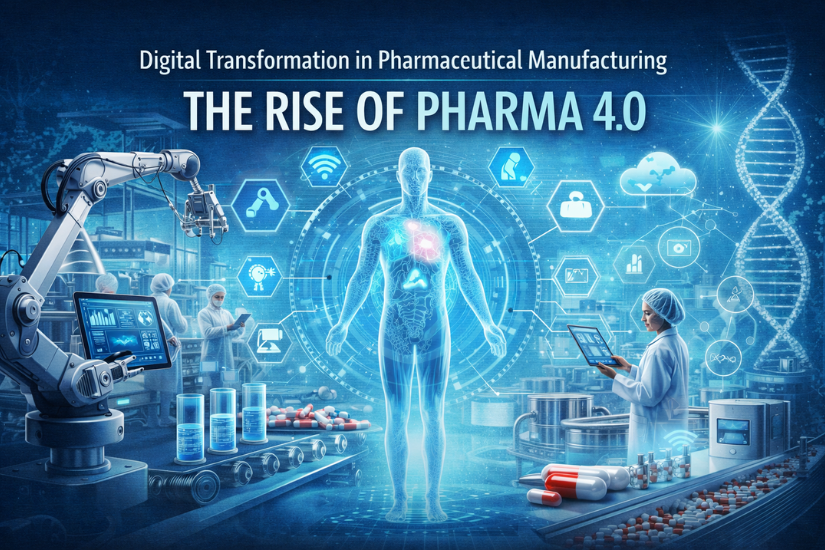
The pharmaceutical industry is undergoing a major transformation driven by advances in digital technology, automation, and data analytics. Traditionally, pharmaceutical manufacturing has relied heavily on manual documentation systems, paper-based batch records, and labor-intensive processes.
However, the emergence of Pharma 4.0—the pharmaceutical industry’s adaptation of Industry 4.0 principles—is reshaping how medicines are manufactured, monitored, and controlled.
Pharma 4.0 integrates digital technologies such as advanced data analytics, automated manufacturing systems, connected devices, and artificial intelligence to create more efficient, reliable, and transparent pharmaceutical production environments.
Ultra Dynamic Quality Systems (UDQS) supports pharmaceutical and biopharmaceutical organizations across Africa in navigating the transition toward digital manufacturing systems while maintaining compliance with Good Manufacturing Practice (GMP) and international regulatory requirements.
Understanding Pharma 4.0
TPharma 4.0 refers to the digital transformation of pharmaceutical manufacturing through the integration of smart technologies and connected systems.
The goal of Pharma 4.0 is to create data-driven manufacturing environments where production processes can be continuously monitored, optimized, and controlled.This transformation allows manufacturers to improve product quality, reduce operational errors, and increase manufacturing efficiency.
Key Technologies Driving Pharma 4.0
Several emerging technologies are driving the digital transformation of pharmaceutical manufacturing.
Manufacturing Execution Systems (MES)
Manufacturing Execution Systems integrate production operations with digital monitoring and control systems.
MES platforms help manufacturers:
- Track production processes in real time
- Monitor equipment performance
- Capture electronic batch records
- Improve production traceability
MES systems reduce manual documentation and improve process transparency.
Electronic Batch Records (EBR)
Electronic Batch Records replace traditional paper-based production records with digital documentation systems.
Benefits of EBR systems include:
- Improved data accuracy
- Reduced documentation errors
- Faster batch release processes
- Enhanced regulatory traceability
Electronic records also support compliance with regulatory frameworks such as 21 CFR Part 11 and EU GMP Annex 11.
Advanced Data Analytics
Modern pharmaceutical manufacturing generates large volumes of production and laboratory data.
Advanced analytics tools allow organizations to analyze this data to identify:
- Process trends
- Equipment performance issues
- Product quality deviations
- Opportunities for process optimization
Data-driven decision making improves both operational efficiency and product quality.
Automation and Robotics
Automation technologies are increasingly used in pharmaceutical manufacturing environments to improve consistency and reduce human error.
Examples include:
- Automated material handling systems
- Robotic packaging operations
- Automated laboratory testing platforms
Automation enhances process reliability while reducing the risk of contamination or operational variability.
Internet of Things (IoT)
The Internet of Things refers to networks of connected devices that communicate and share data in real time.
In pharmaceutical manufacturing, IoT technologies can monitor:
- Equipment performance
- Environmental conditions
- Production processes
Connected sensors provide continuous data streams that support proactive process monitoring.
Benefits of Digital Transformation in Pharmaceutical Manufacturing
The adoption of digital technologies offers several advantages for pharmaceutical manufacturers.
Improved Data Integrity
Electronic systems reduce the risk of manual documentation errors and help ensure compliance with data integrity principles such as ALCOA+.
Enhanced Process Control
Real-time monitoring allows manufacturers to detect deviations quickly and maintain tighter control over production processes.
Increased Operational Efficiency
Automation and digital systems streamline production processes, reducing delays and improving productivity.
Faster Regulatory Compliance
Digital systems simplify documentation management and facilitate regulatory inspections by providing clear and traceable records.
Regulatory Considerations for Digital Systems
While digital technologies offer many benefits, pharmaceutical companies must ensure that computerized systems comply with regulatory expectations.
Key regulatory frameworks governing digital systems include:
- EU GMP Annex 11 – Computerised Systems
- FDA 21 CFR Part 11 – Electronic Records and Electronic Signatures
- WHO guidance on computerized systems
Organizations must validate computerized systems and maintain strong data integrity controls to ensure regulatory compliance.
Challenges in Implementing Pharma 4.0
Despite its potential benefits, implementing digital manufacturing technologies can present challenges.
Common challenges include:
- High initial investment costs
- Integration of new systems with legacy infrastructure
- Need for specialized technical expertise
- Data security concerns
Careful planning and structured implementation strategies help address these challenges.
The UDQS Approach to Digital Transformation
Ultra Dynamic Quality Systems (UDQS) assists pharmaceutical organizations in implementing digital manufacturing solutions while maintaining regulatory compliance.
Key services include:
- Digital manufacturing strategy development
- Computer system validation (CSV) programs
- Data integrity framework implementation
- Integration of digital systems into Quality Management Systems
- GMP compliance assessments for digital manufacturing environments
By combining regulatory expertise with technology integration strategies, UDQS helps organizations adopt digital manufacturing systems that improve both efficiency and compliance.
The Future of Pharmaceutical Manufacturing
As digital technologies continue to evolve, pharmaceutical manufacturing will become increasingly data-driven, automated, and interconnected.
Organizations that embrace digital transformation will be better positioned to:
- Improve product quality
- Increase operational efficiency
- Strengthen regulatory compliance
- Respond rapidly to changing market demands
Pharma 4.0 represents the next phase of pharmaceutical manufacturing evolution.
Transform Your Manufacturing Operations with UDQS
Ultra Dynamic Quality Systems (UDQS) supports pharmaceutical and biopharmaceutical organizations in implementing digital manufacturing systems aligned with international GMP requirements.
Whether upgrading legacy manufacturing systems, implementing electronic documentation platforms, or strengthening data integrity frameworks, UDQS provides the expertise needed to support secure and compliant digital transformation in pharmaceutical manufacturing.